
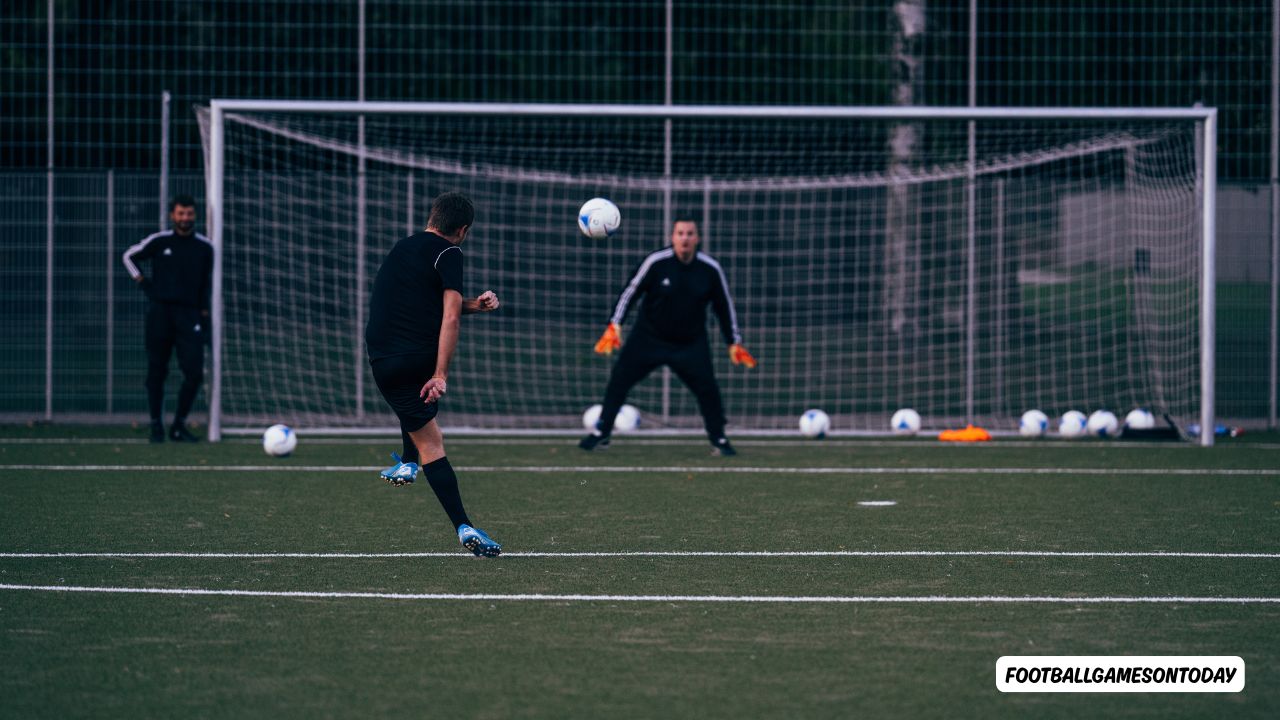
Football is one of the most popular sports in the world. Whether it’s American football or soccer (association football), millions of fans follow the game with passion. But have you ever wondered how many players are on a football team?
Understanding the number of players is important. It helps fans enjoy the game better. Players need to know the rules, and beginners can learn how teams are built. The number of players also changes based on the league and type of football.
In this guide, I’ll break down football team sizes across different leagues. I’ll also explain player positions, team formations, and why rosters have more players than just those on the field.
Football Team Sizes Across Different Leagues
| League/Type | Players on the Field | Total Roster Size |
| NFL (American Football) | 11 | 53 |
| College Football (NCAA) | 11 | 85 |
| High School Football | 11 | 30-50 |
| Soccer (FIFA Rules) | 11 | 23 |
Contents
Understanding Football Team Composition
How Many Players Are on the Field?
A football game has two teams competing against each other. Each team has a set number of players on the field.
- In American football (NFL, college, high school), 11 players per team are on the field at a time.
- In soccer (also called football outside the U.S.), teams also have 11 players on the field per side.
Each team is divided into two main groups: offense and defense in American football. The formation of players changes depending on strategy. Some teams use more defensive players, while others focus on offense.
Impact of Formations on Team Size
In American football, the number of offensive or defensive players can change based on strategy. Coaches decide the best formations based on their opponents.
For example:
- A team using a “spread offense” will have more wide receivers.
- A team focusing on defense may use extra linebackers.
Total Players in a Team Roster
Not all players are on the field at the same time. Teams have extra players for different roles.
Differences Between Active Roster, Practice Squad, and Reserves
- Active Roster: These are players available for the game.
- Practice Squad: These players train with the team but don’t play in official games.
- Reserves/Injured List: Players who are temporarily unavailable due to injuries.
League-Wise Breakdown
| League | Active Roster Size | Practice Squad | Total Team Size |
| NFL | 53 | 16 | 69 |
| College Football | 85 | N/A | 85 |
| High School | 30-50 | N/A | 30-50 |
| Soccer | 23 | N/A | 23 |
Each league has different rules for roster sizes. The NFL allows teams to have 53 active players, but only 46 can play on game day. College teams have more players, while high school teams have fewer due to school size limits.
Positions and Their Role in Team Structure

Football teams have different player roles. Each position has a specific job, whether it’s scoring points, stopping the opponent, or making strategic plays. Let’s break them down.
Offense Players Breakdown
The offense is responsible for moving the ball forward and scoring points. It includes key positions:
- Quarterback (QB) – The leader of the offense. The QB throws passes, hands off the ball, and makes key decisions.
- Running Back (RB) – Runs with the ball and catches short passes. Some teams use one, while others have multiple running backs.
- Wide Receiver (WR) – Fast players who catch passes from the QB. Teams usually have two or more wide receivers on the field.
- Tight End (TE) – A mix of a blocker and a receiver. They help protect the QB and catch passes.
- Offensive Line (OL) – Includes five players: the center, two guards, and two tackles. Their job is to block defenders and protect the QB.
The number of offensive players on the field stays at 11 but changes depending on strategy. For example:
- A team focused on passing may use extra wide receivers.
- A running-based team may have more tight ends and running backs.
Defense Players Breakdown
The defense’s goal is to stop the opposing team from scoring. Here are the main defensive positions:
- Defensive Line (DL) – Includes defensive tackles and defensive ends. Their job is to stop running plays and rush the quarterback.
- Linebackers (LB) – These players are the backbone of the defense. They stop runs, cover receivers, and pressure the QB.
- Cornerbacks (CB) – Fast defenders who cover wide receivers and prevent them from catching passes.
- Safeties (S) – Positioned deep in the field. They stop long passes and help support the cornerbacks.
Defensive formations change based on the opponent’s strategy. Some teams use more linebackers for extra coverage, while others load up the defensive line to stop running plays.
Special Teams & Substitutes
Special teams handle kicks, punts, and returns. These players play a crucial role in field position and scoring.
- Kicker (K) – Kicks field goals and extra points.
- Punter (P) – Kicks the ball to push the opponent back.
- Returner (KR/PR) – Receives kicks and tries to run them back for big gains.
Teams also use substitutions throughout the game. Players rotate to stay fresh, and coaches make changes based on the situation. While only 11 players are on the field at once, the full team plays a role in winning.
Football Player Positions and Their Roles
| Position | Role |
| Quarterback (QB) | Throws passes, runs plays |
| Running Back (RB) | Runs with the ball, catches short passes |
| Wide Receiver (WR) | Catches passes from the QB |
| Tight End (TE) | Blocks and catches passes |
| Offensive Line (OL) | Blocks defenders, protects QB |
| Defensive Line (DL) | Stops runs, pressures the QB |
| Linebacker (LB) | Covers receivers, stops runs |
| Cornerback (CB) | Defends against wide receivers |
| Safety (S) | Prevents deep passes, supports defense |
| Kicker (K) | Kicks field goals, extra points |
| Punter (P) | Kicks the ball for field position |
| Returner (KR/PR) | Returns kicks and punts |
How Many Football Players Are Needed to Start a Game?
A football team needs a minimum number of players to start.
- NFL and College Football – Teams must have 11 players on the field.
- High School Football – Also requires 11 players, but smaller schools may adjust rules.
- Soccer (Association Football) – Teams need 7 players at a minimum.
Consequences of Missing Players
If a team doesn’t have enough players, they face penalties or even forfeit the game.
- If a football team plays with fewer than 11, they may take a penalty for illegal formation.
- If too many players are missing, the team forfeits the game, meaning they lose automatically.
Having a full roster ensures a team can compete at its best. Injuries, substitutions, and game plans all affect who is on the field at any time.
Differences in Player Count Across Football Types
Football comes in different forms, and each version has its own rules about team size. Whether it’s professional football, college football, or soccer, the number of players can change. Let’s break it down.
NFL vs. College vs. High School Football
Football at different levels follows similar rules, but roster sizes vary.
- NFL Teams: The National Football League allows a 53-player roster. However, only 46 players can dress for a game.
- College Football: College teams have larger rosters, sometimes over 100 players. But only 85 scholarship players are allowed, and the travel squad is usually around 70 players.
- High School Football: Teams are smaller, with rosters averaging 40 to 60 players, depending on the school’s size.
Game rules also differ. The NFL has strict substitution rules, while college and high school games allow more flexibility. The number of players on the field remains 11 per team, but the depth of the bench varies.
Soccer (Association Football) vs. American Football
Football means different things in different countries. In the U.S., “football” refers to American football, while most of the world calls soccer “football.” The two games have big differences, especially in team size.
| Football Type | Players on Field | Total Roster Size |
| American Football (NFL) | 11 per team | 53 (46 active) |
| College Football | 11 per team | 85 (travel squad: 70) |
| High School Football | 11 per team | 40–60 players |
| Soccer (FIFA Rules) | 11 per team | 23 (only 11 play) |
In soccer, teams have 11 players on the field, just like American football. But soccer squads are smaller overall, with 23 players in international tournaments, and only 3–5 substitutions allowed per game.
FAQs Section
Frequently Asked Questions About Football Team Sizes
How many players are on an NFL team roster?
An NFL team has 53 players on its roster during the regular season. But not all of them play on game day. Only 48 players are active for each game. The team also has a practice squad with up to 16 extra players. These players help during training and can be called up if needed. So, in total, an NFL team can have up to 69 players at any time.
Can a football team play with fewer than 11 players?
No, a team must have 11 players on the field during play. If a team has fewer than 11 players, they will struggle to compete. If they can’t field enough players due to injuries or other issues, they may have to forfeit the game.
How many substitutes are allowed in a football game?
In the NFL, teams can make as many substitutions as they want. Players can be swapped in and out between plays. This helps teams use the right players for different situations. It also keeps players fresh and reduces the risk of injuries.
Why do football teams have so many backup players?
Football is a tough sport. Players get tired and injured often. Backup players allow teams to replace injured players without losing strength. They also help with strategy. Coaches can switch players based on the game’s needs. This gives teams a better chance to win.
How do injuries affect a team’s active roster?
If a player gets injured, the team can move them to the injured reserve list. This frees up a spot for another player. Some injuries keep players out for weeks, while others may end their season. To fill the gap, teams call up players from the practice squad or sign free agents. This helps them stay competitive even when key players are hurt.
Understanding team size and player roles makes watching football more exciting. It also shows why teams need deep rosters to stay strong all season.
Conclusion
Football teams vary in size based on the league and type of football. The NFL, college, and high school teams all have different roster limits, while soccer teams follow different substitution rules.
If you’re a fan, player, or coach, understanding team sizes helps you appreciate the game better. Want to dive deeper? Explore football formations and strategies to see how teams make the most of their rosters!
