
If there’s one debate that never gets old in football, it’s this—which is the best soccer team in the world? Ask ten different fans, and you’ll probably get ten different answers. Some will swear by the history and dominance of Real Madrid, while others will argue that Barcelona’s golden era or Bayern Munich’s consistency makes them the undisputed kings. And of course, Manchester United, Liverpool, and AC Milan fans have plenty to say too!
But what truly defines the “best” soccer team? Is it the number of trophies won? The quality of players? Consistency in performance? Or is it the influence a club has on the global stage? The truth is, there’s no one-size-fits-all answer—but that’s what makes this discussion so exciting.
In this article, I’ll break down the different factors that determine football greatness. I’ll look at the most successful teams in history, current rankings, fan perspectives, and even the never-ending debate between club and international football dominance.
Greatest Soccer Teams Based on Titles
| Club Name | Total Trophies | League Titles | Champions League Titles |
| Club Nacional de Football (Uruguay) | 162 | 49 | 3 |
| Club Atlético Peñarol (Uruguay) | 145 | 51 | 5 |
| Rangers FC (Scotland) | 119 | 55 | 0 |
| Celtic FC (Scotland) | 118 | 53 | 1 |
| Al Ahly SC (Egypt) | 113 | 42 | 10 (CAF Champions League) |
| Real Madrid CF (Spain) | 105 | 35 | 15 |
| FC Barcelona (Spain) | 99 | 27 | 5 |
| Linfield FC (Northern Ireland) | 57 | 57 | 0 |
| Bayern Munich (Germany) | 81 | 33 | 6 |
| Juventus FC (Italy) | 68 | 36 | 2 |
Note: The total trophies count includes domestic league titles, national cups, and international competitions. Champions League titles refer to the premier continental club competitions in each respective region (e.g., UEFA Champions League for Europe, CAF Champions League for Africa).
1. Criteria for Ranking the Best Soccer Team
Determining the best soccer team in the world is a topic that sparks endless debates among fans and analysts alike. Several key factors come into play when evaluating a team’s greatness:
- Trophy Count and Major Titles: The number of domestic league titles, national cups, and international trophies a club has secured is a primary indicator of success.
- Consistency in Performance: A team’s ability to maintain top-tier performance over multiple seasons showcases its resilience and competitiveness.
- Club Legacy and Historical Dominance: The impact a club has had on the sport, including pioneering achievements and periods of dominance, contributes to its esteemed status.
- Influence on Global Football: A club’s role in shaping football culture, developing talent, and its global fanbase reflect its significance in the sport’s history.
2. Most Successful Soccer Teams in History
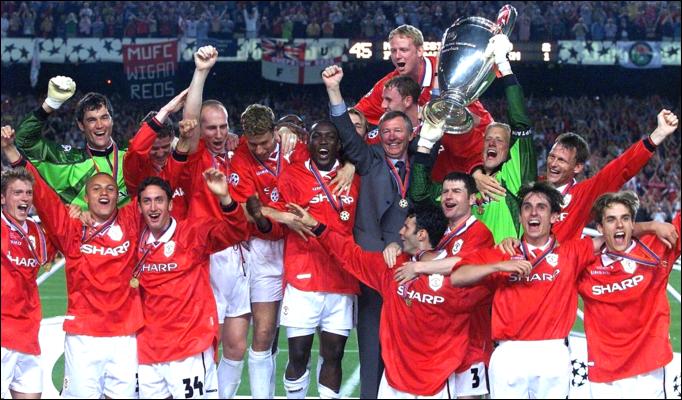
Source: bleacherreport.com
When we talk about the most successful football clubs, it’s essential to look at their achievements across various competitions. Here’s a breakdown of some of the top clubs renowned for their impressive records:
| Club Name | Country | Notable Achievements |
| Real Madrid | Spain | 15 UEFA Champions League titles, 35 La Liga titles. |
| FC Barcelona | Spain | 5 UEFA Champions League titles, 27 La Liga titles. |
| AC Milan | Italy | 7 UEFA Champions League titles, 18 Serie A titles. |
| Liverpool FC | England | 6 UEFA Champions League titles, 19 English League titles. |
| Bayern Munich | Germany | 6 UEFA Champions League titles, 33 Bundesliga titles. |
| Manchester United | England | 3 UEFA Champions League titles, 20 English League titles. |
| Juventus | Italy | 2 UEFA Champions League titles, 36 Serie A titles. |
| Ajax | Netherlands | 4 UEFA Champions League titles, 36 Eredivisie titles. |
| Chelsea FC | England | 2 UEFA Champions League titles, 6 English League titles. |
| Inter Milan | Italy | 3 UEFA Champions League titles, 19 Serie A titles. |
Note: The above table highlights clubs with significant achievements in European competitions and domestic leagues.
These clubs have not only amassed numerous titles but have also left an indelible mark on football history through their style of play, legendary players, and contributions to the sport’s evolution.
3. Current Top-Ranked Soccer Teams
Finding the best soccer team in the world means looking at recent performances. Different groups rank clubs based on how well they do in competitions.
Top 5 Clubs Right Now
| Club Name | Ranking Body | Current Rank |
|---|---|---|
| Real Madrid | UEFA | 1 |
| Manchester City | UEFA | 2 |
| Bayern Munich | UEFA | 3 |
| Liverpool | UEFA | 4 |
| Chelsea | UEFA | 5 |
Note: These rankings are from UEFA as of March 2025. They are based on how teams perform in European games over the last five years. (uefa.com)
These teams are at the top because they win big matches. Real Madrid is leading because they have been dominant in recent years.
4. Biggest Fan Bases in Soccer
A club’s fan base shows how big its influence is. The more fans a team has, the more powerful they are in the world of football. Today, social media is a good way to see which teams have the most supporters.
Most Followed Soccer Clubs
| Club Name | Total Followers |
|---|---|
| Real Madrid | 436 million |
| FC Barcelona | 432 million |
| Manchester United | 325 million |
| Paris Saint-Germain | 187 million |
| Manchester City | 176 million |
Note: These numbers come from the combined total of Instagram, Facebook, Twitter, and TikTok as of January 2025. (ground.news)
Real Madrid and FC Barcelona are the most followed clubs, each with over 400 million fans online. That means millions of people watch their every move, buy their jerseys, and support them no matter what.
5. Club vs. International Team Achievements
When talking about the best soccer team in the world, one big debate comes up: should we look at club teams or national teams? Both have rich histories and have dominated in different ways. Clubs compete in domestic leagues and international tournaments every year, while national teams battle in competitions like the FIFA World Cup every four years.
How Do They Compare?
Clubs like Real Madrid and Barcelona have won more international trophies than most national teams. However, a FIFA World Cup win is considered the biggest achievement in football, and only national teams can win it.
Here’s a side-by-side look at how the best club and international teams compare:
Club vs. National Team Achievements
| Team | Type | Biggest Titles Won | Years of Success |
|---|---|---|---|
| Real Madrid | Club | 15x UEFA Champions League | 1950s, 1998–present |
| FC Barcelona | Club | 5x UEFA Champions League | 1992, 2006, 2009, 2011, 2015 |
| Manchester United | Club | 3x UEFA Champions League | 1968, 1999, 2008 |
| Bayern Munich | Club | 6x UEFA Champions League | 1970s, 2001, 2013, 2020 |
| Brazil National Team | International | 5x FIFA World Cup | 1958, 1962, 1970, 1994, 2002 |
| Germany National Team | International | 4x FIFA World Cup | 1954, 1974, 1990, 2014 |
| Italy National Team | International | 4x FIFA World Cup | 1934, 1938, 1982, 2006 |
| Argentina National Team | International | 3x FIFA World Cup | 1978, 1986, 2022 |
Note: UEFA Champions League is the most prestigious club competition, while the FIFA World Cup is the biggest prize in international football.
Which One Is More Prestigious?
It depends on how you define greatness. If you measure it by consistency over decades, clubs like Real Madrid and Bayern Munich stand out. They have won multiple titles across different generations. However, if you focus on global impact, the FIFA World Cup remains the most-watched event in football.
Many legendary players, like Pelé, Diego Maradona, and Lionel Messi, cemented their legacies with World Cup victories. Others, like Cristiano Ronaldo and Zlatan Ibrahimović, built legendary careers but never won the tournament.
In the end, both club football and international football have their own magic. Clubs play every season, but national teams bring the world together for unforgettable moments.
6. The Next Dominant Clubs in World Football
Football is always changing. Some teams have dominated for decades, but new powerhouses are emerging. Clubs with strong financial backing, great youth academies, and smart management are becoming serious contenders.
Which Clubs Are Rising?
In the last decade, clubs like Paris Saint-Germain (PSG) and Manchester City have climbed to the top thanks to massive investments. Meanwhile, teams like RB Leipzig and Atalanta have built success by developing young talent.
Top Emerging Powerhouses
| Club | Country | Recent Achievements | Why They’re Rising |
|---|---|---|---|
| Manchester City | England | 2023 UEFA Champions League winners, 5x Premier League winners since 2018 | Best squad depth, elite coaching |
| Paris Saint-Germain (PSG) | France | 10x Ligue 1 winners in last 12 years, UCL finalist (2020) | Star signings, strong investment |
| RB Leipzig | Germany | DFB-Pokal winners, regular UCL participants | Focus on young players, smart scouting |
| Atalanta | Italy | Serie A top-four finishes, UCL quarterfinalists (2020) | Fast attacking football, strong tactics |
| Newcastle United | England | Qualified for UEFA Champions League (2023-24) | Major financial backing, ambitious project |
| Sevilla FC | Spain | 7x UEFA Europa League winners | European specialists, strong cup performances |
Why These Clubs Matter
Football’s future belongs to these teams. Manchester City and PSG have already reached the top, while Leipzig, Atalanta, and Newcastle are growing fast. These clubs focus on strategy, scouting, and development rather than just history.
If they continue to invest wisely and build strong squads, they could be the next Real Madrid or Bayern Munich. Football is always evolving, and these teams are shaping the future.
7. The Role of Coaches in Building Legendary Teams

Great teams don’t just happen—they are built by visionary coaches who bring out the best in players. A top coach creates tactics, builds team chemistry, and instills a winning mentality. The best teams in history all had legendary coaches behind them.
How Do Coaches Shape a Team?
A great coach does more than just pick the starting lineup. They:
- Develop tactics that suit their players’ strengths.
- Motivate players to perform at their best.
- Identify talent and help young players grow.
- Adapt strategies to beat different opponents.
- Create a winning culture that lasts for years.
Some of the greatest teams in soccer history owe their success to game-changing coaches. Here’s a look at some of them:
Legendary Coaches and Their Greatest Achievements
| Coach | Team(s) Managed | Major Achievements | Coaching Style |
|---|---|---|---|
| Sir Alex Ferguson | Manchester United | 13x Premier League, 2x UEFA Champions League | Leadership, squad rotation |
| Pep Guardiola | Barcelona, Bayern, Man City | 3x UEFA Champions League, Multiple league titles | Tactical innovation, possession play |
| Carlo Ancelotti | AC Milan, Real Madrid | 4x UEFA Champions League | Calm leadership, player trust |
| José Mourinho | Porto, Chelsea, Inter, Real | 2x UEFA Champions League, Multiple league titles | Defensive structure, mind games |
| Jürgen Klopp | Borussia Dortmund, Liverpool | UEFA Champions League, Premier League title | High pressing, emotional leadership |
Why Do Coaches Matter So Much?
Without a strong leader on the sidelines, even the best players can struggle. A great coach builds a philosophy that defines a club. That’s why Ferguson’s United, Guardiola’s Barcelona, and Klopp’s Liverpool became legendary—they had leaders who inspired greatness.
8. The Impact of Money in Modern Soccer
In today’s soccer world, money is power. The richest clubs can afford the best players, top managers, and world-class facilities. But does having more money always mean success?
How Financial Power Affects Soccer
Big-spending clubs have a clear advantage because they can:
- Buy top talent for massive transfer fees.
- Pay high wages to attract the best players.
- Invest in youth academies to develop future stars.
- Build modern stadiums and facilities to generate more income.
However, money doesn’t guarantee success. Clubs must spend wisely and create a balanced team rather than just buying star players.
Top 5 Richest Soccer Clubs (2025)
| Club | Estimated Revenue (USD) | Major Sources of Income |
|---|---|---|
| Real Madrid | $1.2 billion | Sponsorships, merchandise, TV rights |
| Manchester City | $1.1 billion | Owner investment, sponsorship deals |
| Paris Saint-Germain (PSG) | $1 billion | Sponsorships, Qatari ownership funds |
| Manchester United | $950 million | Commercial deals, global fan base |
| Bayern Munich | $930 million | Smart investments, Bundesliga success |
Does Money Always Equal Success?
Not always. Some clubs spend huge sums but fail to win major trophies. Paris Saint-Germain (PSG) has spent billions but hasn’t won a Champions League title. Meanwhile, clubs like Bayern Munich and Liverpool have been more strategic with their spending, leading to long-term success.
In modern soccer, money is important, but smart investments, great coaching, and team spirit still make the difference.
9. The Influence of Fanbase and Global Support
A soccer team is more than just its players, trophies, or managers. The fans are the heartbeat of any great club. Whether it’s the packed stadiums of Europe or the millions watching from home, a strong fanbase can turn a team into a global powerhouse.
Why Do Fans Matter?
A loyal and passionate fanbase provides a team with:
- Massive financial support through ticket sales, merchandise, and TV subscriptions.
- A strong home advantage, making stadiums intimidating for opponents.
- A worldwide brand, attracting sponsorships and commercial deals.
- Emotional and moral support, pushing players to give their best.
The most popular clubs don’t just have strong local support—they have millions of fans worldwide. Some teams have built an identity that connects deeply with supporters, leading to lifelong loyalty and global expansion.
Most Supported Soccer Teams Worldwide (Based on Social Media & Global Fanbase)
| Club | Estimated Global Fans | Social Media Followers (Combined) | Strongest Fan Regions |
|---|---|---|---|
| Real Madrid | 600 million+ | 300 million+ | Spain, Latin America, Asia |
| FC Barcelona | 550 million+ | 290 million+ | Spain, South America, Europe |
| Manchester United | 500 million+ | 220 million+ | UK, Africa, Asia |
| Liverpool FC | 400 million+ | 180 million+ | UK, USA, Southeast Asia |
| Paris Saint-Germain (PSG) | 250 million+ | 170 million+ | France, Middle East, Asia |
How Do Teams Build a Worldwide Fanbase?
Some teams have natural advantages, like historical success or having global superstars. However, modern clubs use smart strategies to expand their fanbase, such as:
- Signing world-famous players (e.g., Cristiano Ronaldo, Lionel Messi).
- Engaging with fans on social media and offering exclusive content.
- Touring different countries for pre-season games.
- Partnering with brands that appeal to global audiences.
Real Madrid and Barcelona became global brands thanks to their consistent success and legendary players. Manchester United, despite recent struggles, still has one of the biggest fanbases worldwide due to their dominance in the early 2000s.
10. The Role of Youth Academies in Producing Top Teams
Great teams aren’t just built by buying expensive players. The best clubs invest in their youth academies, developing talent from a young age. These academies produce future stars, ensuring long-term success while saving millions on transfers.
Why Are Youth Academies Important?
- They create club identity by producing homegrown players.
- They save money by reducing the need for expensive transfers.
- They provide financial returns, as clubs can sell young talents for huge profits.
- They help maintain success, ensuring a steady pipeline of world-class talent.
Some of the biggest names in football started in youth academies, proving how important proper development is.
Top Youth Academies and Their Famous Graduates
| Academy | Club | Notable Players Produced | Key Strengths |
|---|---|---|---|
| La Masia | FC Barcelona | Lionel Messi, Xavi, Iniesta, Busquets, Fati | Possession-based football, technical skills |
| Real Madrid Academy | Real Madrid | Raúl, Iker Casillas, Carvajal, Guti, Vinícius Jr. | Strong focus on attack and leadership |
| Manchester United Academy | Man United | David Beckham, Paul Scholes, Marcus Rashford | Physicality, attacking mentality |
| Ajax Academy | Ajax | Johan Cruyff, Dennis Bergkamp, Matthijs de Ligt | Total football philosophy, tactical intelligence |
| Sporting CP Academy | Sporting CP | Cristiano Ronaldo, Luis Figo, Bruno Fernandes | Winger development, speed training |
How Do These Academies Produce Stars?
The best academies have:
- World-class coaching staff who develop skills early.
- A strong footballing philosophy that players learn from a young age.
- Opportunities for young players to play in the first team.
Clubs like Barcelona and Ajax have proven that youth academies can build legendary teams. Instead of spending millions on transfers, they focus on developing young players into future superstars.
